Methodology
How I collect the data
I have had reflux since 2020, and the standard advice never fit my life. So I stopped guessing and started writing everything down. This is exactly how I track it, so you can judge the findings for yourself and copy the method if you want to.
01 — Why I started
My reflux started during Covid in 2020. First it felt like something stuck in my throat, and later it turned into heartburn, which I still get today. The doctors put me on antacids, then PPIs. Neither held up in the long run. A gastroscopy found a hiatal hernia, so I got more medication and the usual lifestyle advice: cut the coffee, the cigarettes, the late nights.
That advice never sat right with me. I don't smoke, I don't drink coffee, and I exercise a lot, so most of the usual suspects were already off the table. When I read through forums and articles, the answers pointed in every direction at once. That convinced me this is more complicated than a short list of trigger foods, and that it probably needs an individual approach. So I decided to measure my own case instead of trusting a checklist.
02 — What I log
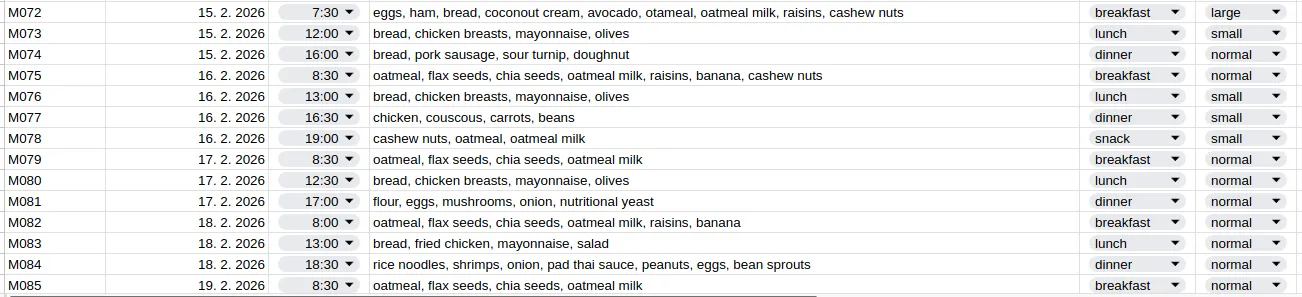
Every day I record four things. I keep the fields simple so the habit stays sustainable.
- Meals
- Every ingredient I can identify, the time I ate, and the portion size.
- Symptoms
- The type (heartburn, that stuck-in-the-throat feeling, and so on), how bad it was, and how long it lasted. I only write a symptom down when it happens.
- Daily context
- When I woke and went to bed, which gives sleep length, plus a stress level, how much I sat or moved, whether I worked out, and whether I smoked.
- Medications
- What I took, when, and whether it was routine or a reaction to symptoms that had already started.
03 — How I track it, day to day
I spend most of my workday at a computer, so that is where almost everything gets entered, straight into an Excel sheet. When I am away from my desk I use my phone, though typing into a spreadsheet is quicker on the computer. I try to log each event close to when it happens, but I often fill in the last few hours, or a whole day, from memory. At the start it took real effort to remember and to think through each entry. Now it is a routine, and I forget far less often.

04 — The subjective parts
Some of what I track is a judgment call, on purpose. Tracking is already tedious, and I would rather keep a habit I can sustain than chase a precision I will abandon. Meal size is the clearest example: I set it by how full I feel afterwards, not by weighing anything. Stress and how much I moved work the same way, by feel. For meals I list as many ingredients as I can, which is easy when I cook and harder when I eat out. I aim to be consistent day to day, and over time I hope to make some of these measures more objective.
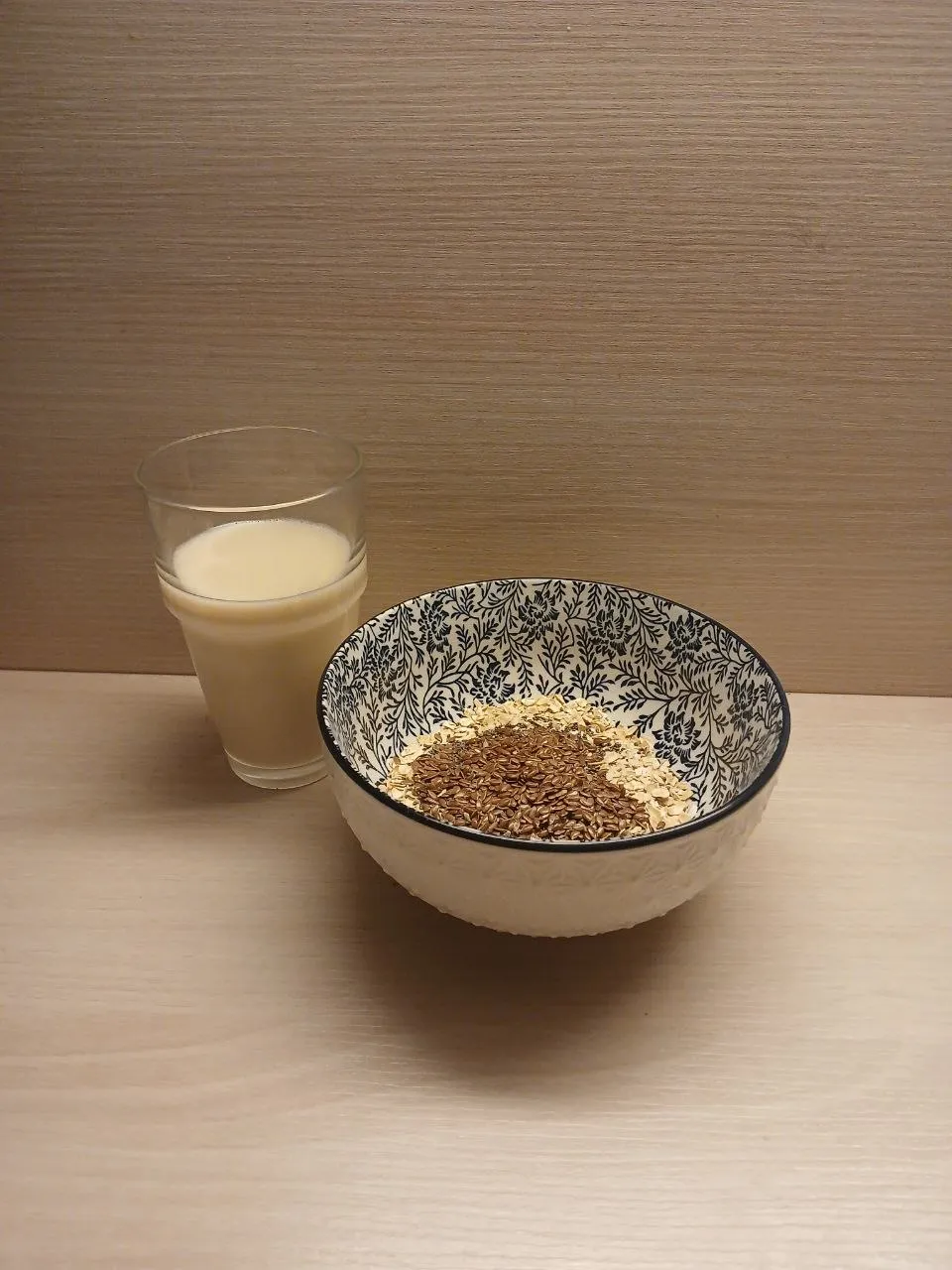 Small
Small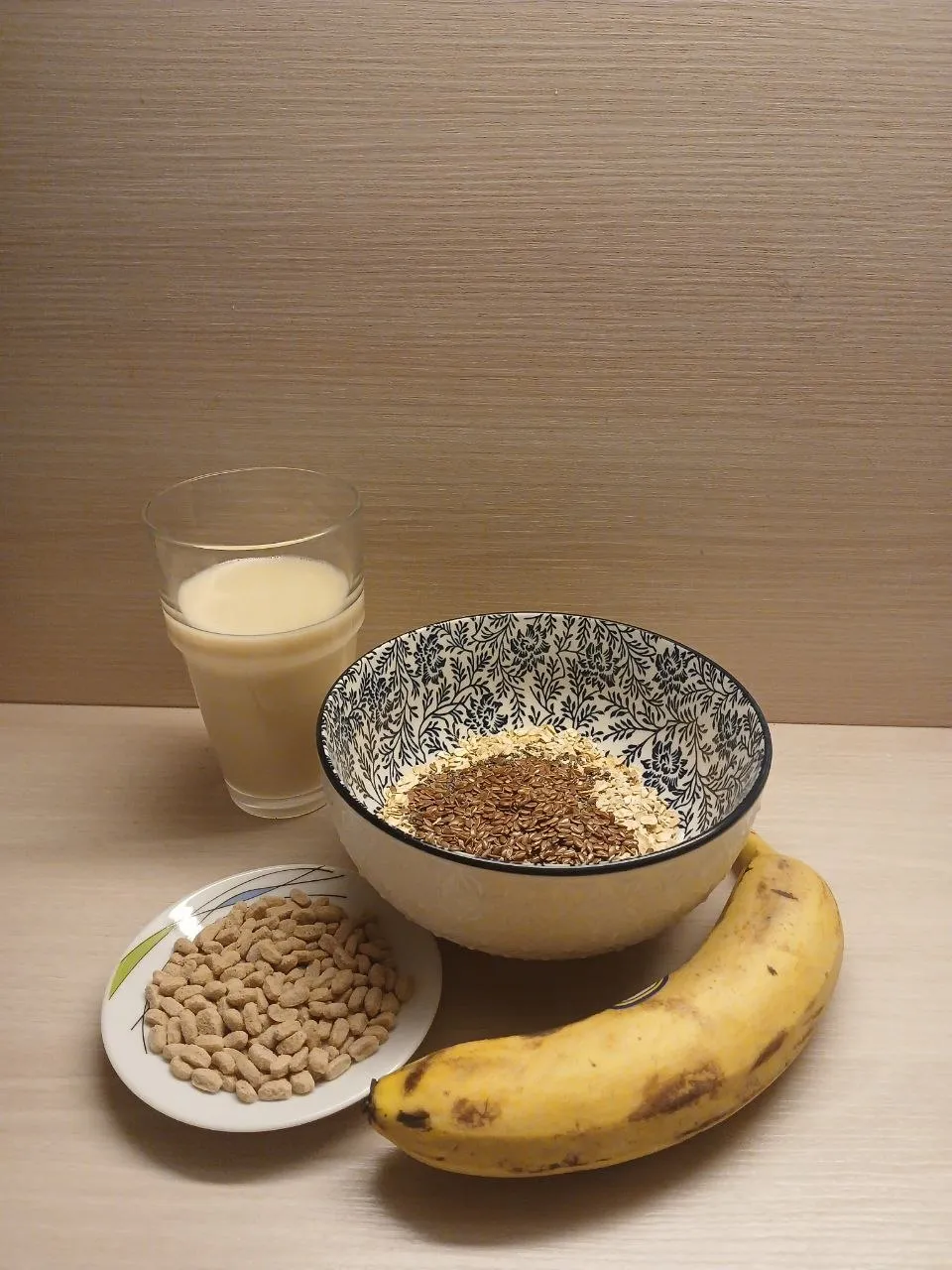 Normal
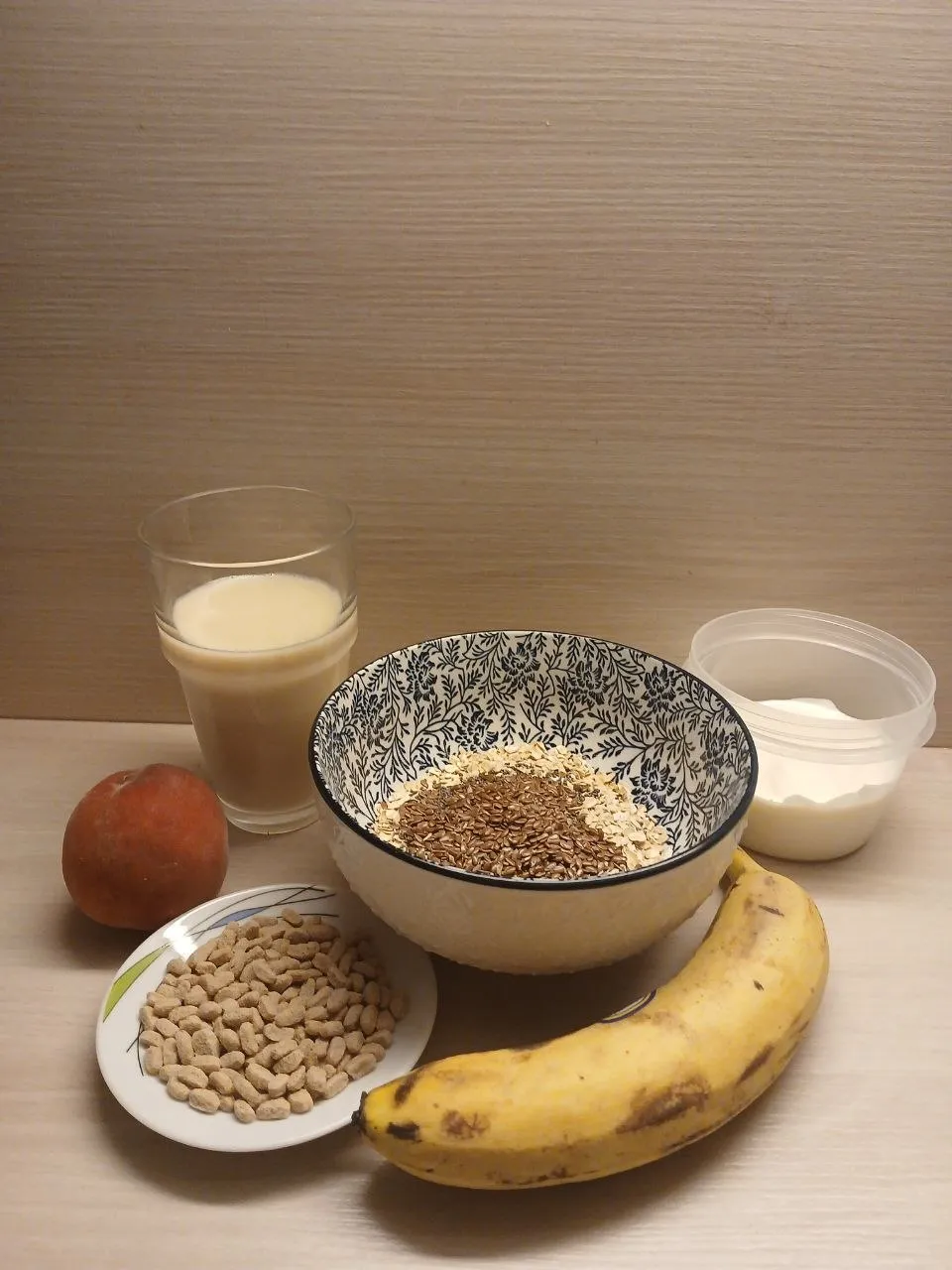 Large
LargeEverything on this site describes one person's body. The sample size is one. Any result holds for my data and nothing more. It is a starting point for my own decisions, not medical advice, and not a rule for anyone else. If you have reflux, your triggers are yours to find.
05 — Where this goes next
I am still tracking, and I plan to keep going. If enough people track the same way, we could build a much wider dataset and run analyses that a single person's log can't support. If you want to try it, the exact template behind everything above is free to copy.
Have questions about the method, or ideas for improving it? Email me. I would like to hear from other people who track their reflux.